
Currently Empty: 0.00 €

Historical Context of the French Satirical Poster This lithograph belongs to the famous anti-Dreyfusard series published in France. It depicts a caricatured puppet holding a string connected to the ...

Historical Significance of British Military Enlistment Posters This powerful 1915 wartime propaganda illustration represents a critical turning point in British military recruitment campaigns before conscription was introduced. The design ...

Vintage Military Posters and WWI Recruitment Art This iconic historical print from 1888 features the famous British wartime recruitment artwork designed by Alfred Leete. Originally published as a magazine ...

Vintage Military Posters and WWI Victory Bonds Art This striking black and white historical print from the World War I era promotes the purchase of government war loans in ...

Classic Mid-Century Aviation and Media Collectible Celebrate the golden age of photojournalism and classic flight with this stunning reproduction of the Fortune magazine cover from May 1943. Illustrated by ...
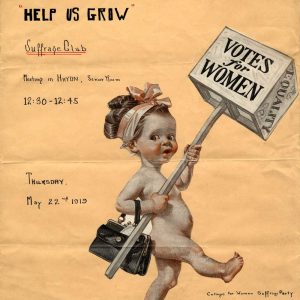
Early Twentieth Century Feminism and the Women’s Suffrage Movement This remarkable original 1919 historical broadside serves as an authentic artifact from the American women’s suffrage movement, created just before ...

Vintage Irish Military History Wall Art Step back into the early 20th century with this striking reproduction of an authentic World War I recruitment poster from 1915. Featuring a ...

Late 19th-Century Cycling Mania and Tariff Satire Art Celebrate the historic bicycle boom of the Gilded Age with this exceptional reproduction of the Judge magazine cover from November 13, ...
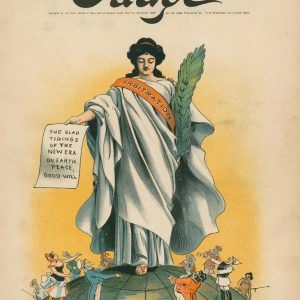
Gilded Age Allegorical Illustration and Editorial Heritage Enrich your wall decor with a profound piece of late 19th-century journalism through this premium reproduction of the Judge magazine cover from ...
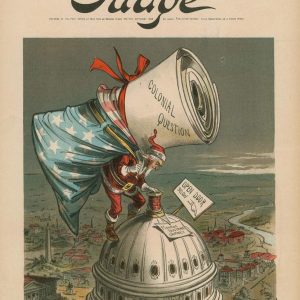
Late Nineteenth-Century Political Satire and American Imperialism This historical illustration serves as the cover art for the December 31, 1898 issue of Judge magazine, a prominent American satirical publication. ...
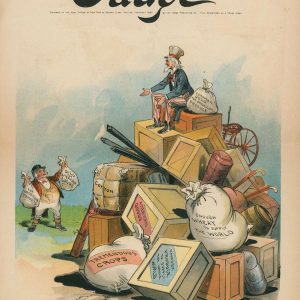
Late 19th-Century Political Satire and Illustration Add a fascinating layer of historical wit to your space with this premium reproduction of the Judge magazine cover from September 25, 1897. ...
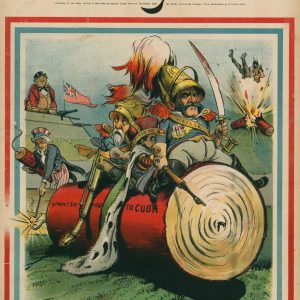
Spanish-American War and Caribbean Geopolitical Satire Art Immerse your space in the dramatic wartime history of the late 19th century with this premium reproduction of the Judge magazine cover ...
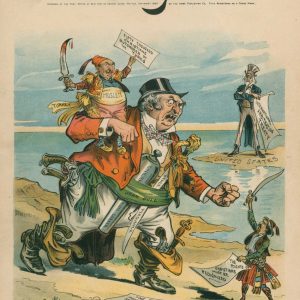
Late 19th-Century Geopolitical Satire and Lithographic History Add a provocative layer of historical commentary to your collection with this premium reproduction of the Judge magazine cover from March 27, ...
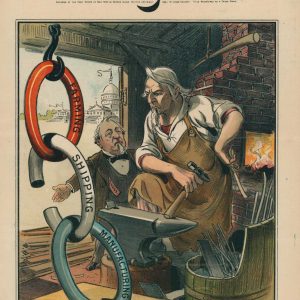
Turn-of-the-Century Industrial Americana and Political Art Capture the powerful economic spirit of the dawn of the 20th century with this authentic reproduction of the Judge magazine cover from December ...
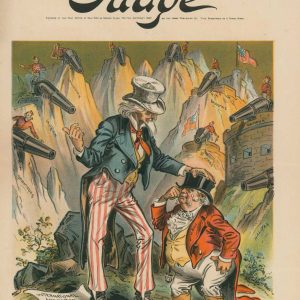
Late 19th-Century Anglo-American Diplomacy and Military Satire Art Immerse your space in the historical complexities of late-Victorian geopolitics with this premium reproduction of the Judge magazine cover from June ...
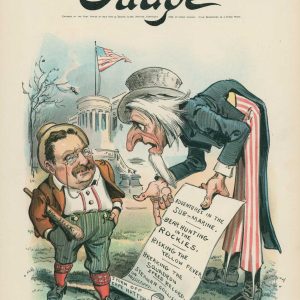
Theodore Roosevelt Progressive Era Presidencial Satire Art Immerse your space in the adventurous history of the early 20th century with this premium reproduction of the Judge magazine cover from ...
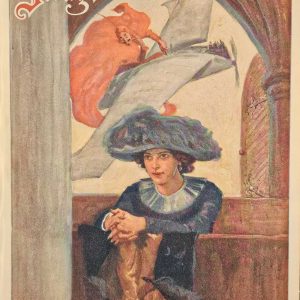
Edwardian Fashion and Social Satire Illustration Step into the elegant world of the early 20th century with this exquisite reproduction of the Judge magazine cover from April 15, 1911. ...
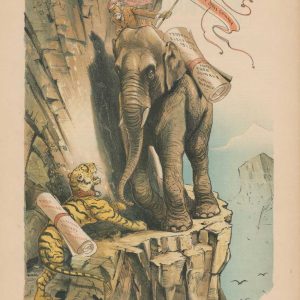
Gilded Age American Party Symbols and Satirical Art Immerse your space in the dramatic history of American politics with this premium reproduction of a classic Judge magazine illustration titled ...
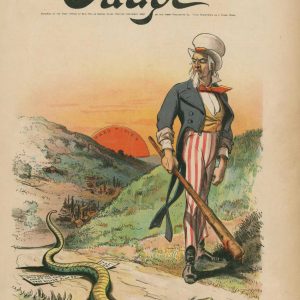
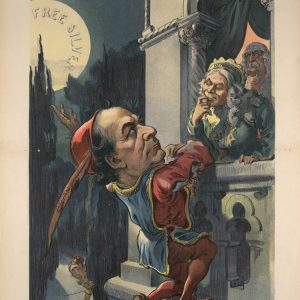
Gilded Age Monetary Politics and Financial Satire Illustration Step into the fierce economic debates of late 19th-century America with this premium reproduction of the Judge magazine cover from July ...
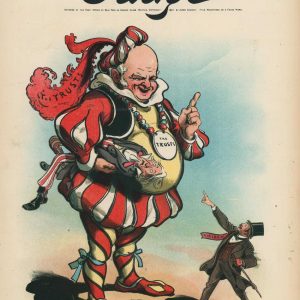
Progressive Era Anti-Monopoly and Financial Satire Art Capture a defining moment of American economic history with this premium reproduction of the Judge magazine cover from April 12, 1902. Illustrated ...
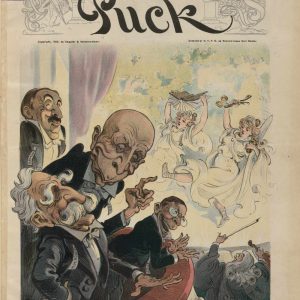
As Seen From the Boxes. 1 photomechanical print: offset, color.
